

Connectez-vous à Hivenet
Accédez à vos fichiers et gérez votre compte de stockage.
Store
Accédez à vos fichiers et gérez votre compte de stockage.
Compute
Lancez des instances et gérez vos ressources de calcul.
Store et Compute utilisent toujours des comptes distincts aujourd'hui. Nous travaillons sur une connexion unifiée.
Vous avez juste besoin d'envoyer un fichier ?
Utilisez Send directementVous êtes nouveau sur Hivenet ? Commencez
Commencez avec Hivenet
Choisissez ce que vous voulez utiliser en premier.
Store
Sauvegardez des photos et des fichiers sur tous vos appareils.
Compute
Lancez le calcul GPU en libre-service pour les tâches exigeantes.
Store et Compute utilisent toujours des comptes distincts aujourd'hui. Nous travaillons sur une expérience de compte unifiée.
Vous avez besoin de Hivenet pour votre entreprise ?
Parlez au service des ventesVous avez besoin d'envoyer un fichier ?
Ouvrir SendVous avez déjà un compte ? Connectez-vous

5 questions essentielles à se poser lors du choix d'un fournisseur de cloud computing
Harnachement services informatiques est devenu essentiel pour les entreprises qui naviguent Calcul IA, apprentissage automatique, et mégadonnées informatique en nuage. Ces technologies exigent de vastes fournisseur de calcul haute performance (HPC) ressources, flexibilité et cloud computing évolutif. Des fournisseurs de calcul distribué tels que Hivenet promettent ces avantages en reliant plusieurs ressources informatiques au sein d'un réseau puissant et unifié. Le cloud computing basé sur l'IA fournit des services qui facilitent l'apprentissage automatique, tels que l'informatique sans serveur, le traitement par lots et l'orchestration de conteneurs, améliorant ainsi l'efficacité de ces technologies.
Mais en choisissant le meilleur cloud fournisseur de calcul pour les charges de travail d'IA n'est pas simple. La gestion des coûts du cloud est essentielle lors de la sélection d'un fournisseur afin de garantir le contrôle et l'optimisation des dépenses. Voici un guide qui vous aidera à poser les bonnes questions et à sélectionner en toute confiance le idéal solution informatique en nuage pour votre entreprise. En outre, la sécurisation des données des clients est cruciale pour prévenir les violations susceptibles d'entraîner des dommages financiers et de réputation importants. L'utilisation de l'IA dans le cloud computing permet aux entreprises d'automatiser leurs processus, d'acquérir un avantage concurrentiel et d'explorer de nouvelles opportunités. Les logiciels d'IA peuvent tirer des interprétations impartiales à partir d'informations basées sur les données, améliorant ainsi l'efficacité des processus métier.
Comprendre le cloud computing
Qu'est-ce que le cloud computing ?
Le cloud computing est un modèle transformateur permettant de fournir des services informatiques sur Internet. Au lieu d'investir dans du matériel physique et des logiciels et d'en assurer la maintenance, les entreprises et les particuliers peuvent accéder à un large éventail de ressources, telles que des serveurs, des solutions de stockage, des bases de données et des applications, sur une base de paiement à l'utilisation. Ce modèle offre une flexibilité inégalée, permettant aux utilisateurs d'augmenter ou de diminuer les ressources en fonction de la demande, ce qui entraîne des économies de coûts importantes. En tirant parti du cloud computing, les entreprises peuvent se concentrer sur leurs activités principales sans se soucier de l'infrastructure sous-jacente. Le cloud computing permet aux entreprises de louer des services informatiques au lieu d'investir dans du matériel et des logiciels. L'IA et le cloud computing améliorent l'efficacité des entreprises et permettent aux talents informatiques de se concentrer sur le développement innovant.
Infrastructure cloud et centres de données
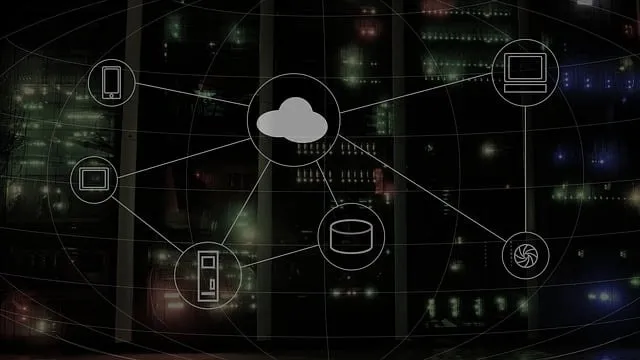
Au cœur du cloud computing se trouve l'infrastructure cloud, un réseau complexe de composants matériels et logiciels qui fonctionnent ensemble pour fournir des services fluides. Au cœur de cette infrastructure se trouvent les centres de données, des installations massives équipées de milliers de serveurs, de systèmes de stockage et d'équipements réseau. Ces centres de données constituent l'épine dorsale des fournisseurs de services cloud, leur permettant de proposer des services fiables et évolutifs à leurs clients. Les fournisseurs de services cloud contrôlent l'infrastructure physique requise pour le cloud computing, y compris les serveurs, les disques durs et les systèmes de refroidissement. Microsoft Azure fournit des services de cloud computing de type AWS via le cloud Azure dans plus de 116 zones de disponibilité.
Les principaux fournisseurs de services cloud tels qu'Amazon Web Services (AWS), Microsoft Azure et Google Cloud Platform (GCP) exploitent de nombreux centres de données dans le monde entier. Cette présence mondiale garantit une haute disponibilité et une faible latence, permettant aux utilisateurs d'accéder à leurs services rapidement et efficacement, où qu'ils se trouvent. En répartissant leurs centres de données dans différentes régions, ces fournisseurs peuvent offrir des performances et une redondance robustes, essentielles au maintien de la continuité des activités. La plateforme Google Cloud propose des services qui se sont taillés une place de choix dans les domaines de l'intelligence artificielle (IA), de l'apprentissage automatique (ML), de l'analyse des données et de Kubernetes. Amazon Web Services (AWS) fournit plus de 200 services cloud dans de nombreux secteurs et catégories technologiques.
1. De quelles ressources de calcul avez-vous réellement besoin ?
Vos charges de travail déterminent votre informatique dans le cloud besoins. Commencez par définir clairement les tâches que vous allez effectuer :
- Le cloud computing pour l'apprentissage automatique : Les charges de travail gourmandes en ressources GPU bénéficient de Cloud computing avec GPU pour la formation de modèles d'IA.
- Cloud computing pour le Big Data : Les analyses à grande échelle nécessitent solutions informatiques évolutives basées sur l'IA avec un support puissant en matière de processeur et de stockage.
- Fournisseur de calcul haute performance (HPC) : Les applications de simulation et d'ingénierie ont besoin cloud computing de niveau professionnel avec une latence minimale.
- Gestion de la chaîne d'approvisionnement : L'intégration de l'IA au cloud computing peut rationaliser les opérations au sein de la gestion de la chaîne d'approvisionnement en permettant le traitement des données en temps réel et l'automatisation des tâches de routine, améliorant ainsi les performances globales de l'entreprise.
Évaluez également :
- Flexibilité des ressources : L'intensité de vos tâches variera-t-elle ? Optez pour un fournisseur de calcul distribué avec une évolutivité facile, services de cloud computing à la demande.
- Potentiel de croissance : Réfléchissez à la façon dont solutions informatiques en nuage pourrait évoluer. Assurez-vous que votre fournisseur peut dimensionner rapidement les ressources sans temps d'arrêt ni baisse de performance. Les entreprises peuvent tirer parti des professionnels compétents existants en matière de cloud pour favoriser l'adoption de l'IA.
Connaître vos besoins exacts permet d'éviter des coûts surprovisionnement des ressources de cloud computing et garantit des performances optimales. Efficace gestion des données dans le contexte de l'IA et du cloud computing, améliore les charges de travail dans le cloud et permet le traitement des données en temps réel dans diverses applications. Les outils d'IA aident à gérer le service client, le marketing et les opérations de la chaîne d'approvisionnement en automatisant l'analyse des données et en générant des informations exploitables. Les outils d'IA intégrés aux plateformes cloud peuvent être utilisés pour surveiller et gérer les composants cloud dans un environnement hybride.
2. Les modèles de tarification sont-ils clairs et prévisibles ?
Comparaison des coûts du cloud computing est essentiel pour contrôler les dépenses. La gestion et le contrôle des coûts du cloud sont essentiels, en particulier pour les entreprises qui font appel à plusieurs fournisseurs de services cloud. La mise en œuvre d'outils et de stratégies de gestion des coûts dans le cloud permet d'optimiser la visibilité et de réduire les dépenses dans le cadre d'un modèle de paiement à l'utilisation. Surveillez ces facteurs de tarification : l'essor de l'IA entraîne d'importants investissements dans les services cloud, les dépenses consacrées aux services de cloud public devant augmenter de manière significative d'ici 2027.
- Tarification à l'utilisation ou tarification réservée : Tarification flexible du cloud computing est idéale pour les charges de travail imprévisibles, tandis que les instances réservées réduisent les coûts à long terme.
- Frais de transfert de données : Coûts cachés pour entrée et sortie de données peut avoir un impact significatif sur votre budget.
- Structures de remises : Certains fournisseurs de cloud computing offrez des réductions pour utilisation de volumes informatiques élevés ou des engagements à long terme.
Demandez toujours un répartition détaillée des prix du cloud computing ou utilisez calculateurs de coûts pour le cloud computing. Des modèles de tarification clairs aident les entreprises réduire les coûts liés au cloud computing et planifiez les budgets avec précision.
3. Le fournisseur peut-il garantir performance et fiabilité ?
Lors de la sélection d'un fournisseur de calcul distribué, concentrez-vous sur :
- Haute disponibilité : Recherchez Garantie de disponibilité de 99,9 % soutenu par des SLA solides dans le cloud. Hivenet offre de solides garanties de performance et de fiabilité, surpassant souvent celles d'autres fournisseurs de services cloud tels que Rackspace et Oracle.
- Cloud computing à faible latence : Meilleur fournisseur de cloud pour les charges de travail d'IA devrait répondre aux besoins de latence des applications en temps réel.
- Robustesse de l'infrastructure : Le calcul distribué doit avoir emplacements des centres de données qui améliorent les performances et la redondance.
Fiable cloud computing d'entreprise assure continuité des activités et des performances constantes.
4. La plateforme est-elle conviviale et sécurisée ?
Une technologie de pointe ne signifie pas des interfaces compliquées. UNE utilisateur-cloud convivial fournisseur informatique permet une efficacité gestion de l'infrastructure cloud et améliore la productivité.
Les principales considérations d'utilisabilité sont les suivantes :
- **Tableaux de bord intuitifs :**Les meilleurs fournisseurs de cloud computing proposer des tableaux de bord faciles à utiliser pour gérer les ressources.
- **Intégrations d'API robustes :**Solutions de cloud computing pour l'IA et le ML devrait favoriser l'automatisation et l'optimisation des flux de travail.
La sécurité est tout aussi essentielle :
- Certifications de conformité : Garantir services informatiques en nuage répondent aux normes GDPR, ISO 27001 et SOC 2.
- Mesures de protection des données : Recherchez fort sécurité du cloud, le chiffrement et les audits de sécurité de routine pour protéger les données des clients.
Équilibrer la facilité d'utilisation avec robuste sécurité pour le cloud computing aide les équipes à fonctionner de manière fluide et sécurisée, en garantissant la conservation des données des clients protégé dans le cloud environnements.
5. Quelles sont les options de support et de personnalisation disponibles ?
Chaque entreprise a des besoins informatiques uniques. Les meilleurs fournisseurs de cloud computing offrir configurations personnalisées et un soutien solide :
- Configurations de calcul personnalisées : Choisissez des fournisseurs qui adaptent les configurations matérielles et logicielles.
- Assistance clientèle 24h/24 et 7j/7 : Services de cloud computing d'entreprise devrait offrir une assistance en temps réel.
- Assistance à l'intégration : IA et apprentissage automatique (cloud computing) les services devraient garantir un déploiement sans heurts. Les entreprises peuvent déployer des applications d'IA prêtes à l'emploi à moindre coût que le développement de solutions internes en utilisant l'AIaaS.
Efficace support client pour le cloud computing permet de gagner du temps et d'éviter des temps d'arrêt coûteux.

Débuter avec le cloud computing
Le choix du bon fournisseur de cloud et le problème de la domination du cloud par les grandes entreprises technologiques
La sélection d'un fournisseur de cloud ne consiste pas seulement à comparer les services, il s'agit également de comprendre la dynamique du pouvoir en jeu dans l'industrie du cloud. Les principaux acteurs, AWS, Microsoft Azure et Google Cloud, ont construit des empires monopolistiques, intégrer les entreprises à leurs écosystèmes avec des prix opaques, des contrats restrictifs et des stratégies agressives de verrouillage des fournisseurs. Ces entreprises ne se contentent pas de proposer le cloud computing ; elles dicter les règles du jeu, utilisant leur domination pour étouffer la concurrence, exploiter les petites entreprises et tirer le maximum de profits tout en se présentant comme indispensables. Amazon Web Services représente plus de 34 % de la part de marché mondiale du cloud computing. 70 % des entreprises acquièrent leurs capacités d'IA par le biais de logiciels basés sur le cloud.
Les services cloud de Big Tech Privilégier le contrôle du marché à l'autonomisation des utilisateurs. AWS, par exemple, utilise sa vaste infrastructure et ses poches bien garnies pour devancer ses concurrents et évincer les petits fournisseurs de cloud du marché. Microsoft Azure, tirant parti de son monopole sur les logiciels d'entreprise, regroupe des services de manière à rendre quasiment impossible la sortie de son écosystème. Malgré ses innovations en matière d'intelligence artificielle et d'analyse de données, Google Cloud a l'habitude de fermer brusquement des services, laissant les entreprises bloquées sans stabilité à long terme.
La sécurité et la conformité, souvent considérées comme des priorités absolues, sont points de marketing pratiques plutôt que de véritables engagements. Ces entreprises ont conclu d'importants contrats gouvernementaux et accords de partage de données, ce qui soulève des inquiétudes quant à la confidentialité des utilisateurs. Dans le même temps, leurs structures tarifaires restent intentionnellement alambiquées, avec des frais cachés pour le transfert de données et des API spécifiques aux fournisseurs, ainsi que des remises nécessitant des engagements financiers à long terme, le tout conçu pour maintenir la dépendance des clients.
Au lieu de choisir aveuglément l'un de ces géants du cloud, les entreprises devraient envisager des alternatives qui offrir une véritable transparence, des prix équitables et des politiques donnant la priorité à l'utilisateur. Les fournisseurs de cloud distribué tels que Calculez avec Hivenet fournir des solutions évolutives, sécurisées et rentables sans obliger les entreprises à adopter des modèles de prix prédateurs. L'industrie du cloud n'a pas besoin d'être dirigée par quelques acteurs dominants : il est temps de résister au contrôle des grandes entreprises technologiques et de rechercher des fournisseurs qui donnent la priorité innovation, ouverture et concurrence loyale.
Pourquoi choisir Compute with Hivenet ?
Hivenet solution informatique distribuée est conçu pour les entreprises et les développeurs qui ont besoin puissance de calcul évolutive et rentable pour l'IA, le ML et l'analyse des mégadonnées. Voici pourquoi il se démarque : Nutanix s'est associé à NVIDIA et à Mellanox Technologies pour créer une infrastructure cloud hybride compatible avec l'IA.
- Réseau mondial de ressources informatiques : Hivenet exploite une vaste infrastructure distribuée, garantissant une disponibilité et des performances élevées.
- Tarification flexible et à la demande : Si vous avez besoin ordinateur avec paiement à l'utilisation ou des instances réservées pour réduire les coûts, Hivenet propose une tarification transparente.
- Optimisé pour l'IA et le Big Data : Les services informatiques de Hivenet sont conçus pour gérer sans effort la formation à l'IA gourmande en GPU, le traitement des données en temps réel et les charges de travail HPC.
- Intégration fluide des API : Les développeurs peuvent intégrer facilement Hivenet Compute à leurs flux de travail, en tirant parti de l'automatisation et de puissants outils d'orchestration.
- La sécurité et la conformité d'abord : Avec l'adhésion à RGPD, ISO 27001 et SOC 2, Hivenet garantit la protection de vos charges de travail grâce à une sécurité de niveau professionnel.
- Assistance 24 heures sur 24 : L'assistance technique 24 h/24 et 7 j/7 vous permet d'obtenir l'aide dont vous avez besoin quand vous en avez besoin.
- Intelligence économique : Les analyses basées sur l'IA de Hivenet améliorent la gestion des données et la prise de décision, aidant les organisations à tirer parti de l'intelligence d'affaires pour rationaliser les flux de travail et améliorer la qualité de service.
Hivenet livre cloud computing au niveau de l'entreprise avec un avantage distribué, ce qui en fait une alternative convaincante aux fournisseurs de cloud traditionnels. Que vous utilisiez des modèles d'IA intensifs ou que vous mettiez à l'échelle une application stratégique pour votre entreprise, Ordinateur Hivenet propose le puissance, flexibilité et efficacité tu as besoin.
Principaux points à retenir pour choisir les fournisseurs de services cloud
Sélection du meilleur fournisseur de cloud pour les charges de travail d'IA a un impact sur votre capacité à maîtriser cloud computing évolutif efficacement. L'évaluation des besoins, la compréhension des prix et la garantie d'un soutien solide sont les clés de la réussite de votre entreprise.
Choisissez un fournisseur de calcul distribué qui correspond à vos objectifs financiers, techniques et opérationnels. UNE fournisseur de cloud computing pour l'analyse des mégadonnées devrait offrir flexibilité, sécurité et évolutivité.
Questions fréquemment posées (FAQ) sur l'informatique distribuée et le cloud computing
Qu'est-ce qu'un service informatique distribué ?
Un service informatique distribué permet à plusieurs ordinateurs ou serveurs de fonctionner ensemble en tant que système unique afin de traiter les tâches de manière efficace. Il permet aux entreprises de tirer parti de ressources décentralisées pour améliorer les performances, l'évolutivité et la rentabilité.
Quel est un exemple de système informatique distribué ?
Les exemples incluent les plateformes de cloud computing telles que Compute with Hivenet, Hadoop pour le traitement des mégadonnées et les réseaux blockchain où les nœuds travaillent collectivement pour traiter les transactions.
Que sont les services informatiques distribués ?
Les services informatiques distribués fournissent un accès à la demande à la puissance de calcul sur plusieurs serveurs ou appareils. Ces services sont couramment utilisés pour la formation à l'IA, l'analyse de mégadonnées et les simulations à grande échelle.
Qu'entend-on par services distribués ?
Les services distribués font référence à des environnements informatiques basés sur le cloud ou en réseau dans lesquels différents composants, tels que le stockage, la puissance de calcul et les applications, sont répartis sur plusieurs sites physiques ou virtuels.
Qu'est-ce qu'un fournisseur de cloud computing ?
Un fournisseur de cloud computing offre un accès à distance aux ressources informatiques telles que les machines virtuelles, le stockage et la mise en réseau. Des entreprises comme Hivenet, AWS, Microsoft Azure et Google Cloud fournissent ces services.
Que sont les services informatiques dans le cloud ?
Les services informatiques dans le cloud font référence à la puissance de traitement virtualisée proposée par les fournisseurs de cloud. Ces services permettent aux utilisateurs d'exécuter des applications, de traiter des données et d'effectuer des calculs sans avoir besoin de matériel physique.
Qu'est-ce qui est évolutif dans le cloud computing ?
Évolutivité dans le cloud computing fait référence à la capacité d'augmenter ou de diminuer les ressources informatiques en fonction de la demande. Cela garantit des performances et une rentabilité optimales sans nécessiter de modifications de l'infrastructure.
Quel est un exemple d'évolutivité informatique ?
Un exemple d'évolutivité est une entreprise qui utilise Hivenet Compute pour entraîner un modèle d'IA. Si la demande augmente, la plateforme alloue automatiquement des ressources GPU et CPU supplémentaires pour gérer la charge de travail.
Quels sont les trois principaux composants de l'évolutivité ?
Les trois principaux éléments de l'évolutivité sont les suivants :
- Mise à l'échelle verticale (mise à l'échelle) — Ajouter plus de puissance (CPU, RAM) aux machines existantes.
- Mise à l'échelle horizontale (réduction d'échelle) — Ajout de machines supplémentaires pour répondre à l'augmentation de la demande.
- Élasticité — Ajustement automatique des ressources en fonction des besoins en temps réel.
Qu'est-ce qu'un fournisseur HPC ?
Un fournisseur de calcul haute performance (HPC) fournit une infrastructure optimisée pour le traitement de calculs complexes, tels que les simulations scientifiques, la formation à l'IA et la modélisation financière.
Quel est un exemple de calcul haute performance (HPC) ?
Les exemples HPC incluent les modèles de prévisions météorologiques, les simulations de recherche médicale et les plateformes de reconnaissance d'images pilotées par l'IA.
Qu'est-ce que l'informatique d'entreprise dans le cloud ?
Le cloud computing d'entreprise fait référence aux services cloud adaptés aux grandes entreprises, offrant une haute disponibilité, une sécurité et une conformité pour les applications critiques de l'entreprise.
Quels sont les différents types de cloud computing d'entreprise ?
Les principaux types incluent :
- Cloud public — Ressources cloud partagées accessibles à plusieurs utilisateurs.
- Cloud privé — Infrastructure dédiée pour une seule organisation.
- Cloud hybride — Une combinaison de clouds publics et privés pour plus de flexibilité.
- Multicloud — Utilisation de plusieurs fournisseurs de cloud pour optimiser les performances et les coûts.
Qu'est-ce que l'IA Compute ?
Le calcul basé sur l'IA fait référence à la puissance de traitement requise pour exécuter des modèles d'intelligence artificielle, notamment des GPU, des TPU et des services de cloud computing spécialisés optimisés pour l'apprentissage automatique.
Qu'est-ce que le cloud pour exécuter des modèles d'IA ?
Le cloud fournit aux développeurs d'IA une infrastructure évolutive, y compris des GPU et des frameworks d'IA, pour former, tester et déployer des modèles d'apprentissage automatique sans maintenance de matériel sur site.
Quel cloud convient le mieux à l'apprentissage automatique ?
Le meilleur fournisseur de cloud dépend de vos besoins spécifiques. Offres Hivenet Compute calcul IA rentable et évolutif, tandis qu'AWS, Google Cloud et Azure fournissent également de puissantes fonctionnalités d'IA.
Qu'est-ce que la latence dans le cloud computing ?
La latence fait référence au temps nécessaire pour que les données circulent entre la demande d'un utilisateur et la réponse du fournisseur de cloud. Une faible latence est cruciale pour les applications en temps réel telles que l'inférence IA et les jeux.
Comment réduire la latence dans le cloud computing ?
La latence peut être réduite de la manière suivante :
- Choisir des fournisseurs de cloud dotés de centres de données géographiquement répartis.
- Utiliser l'informatique de pointe pour traiter les données au plus près des utilisateurs finaux.
- Optimisation des configurations réseau et mise en cache des données fréquemment consultées.
Le cloud computing est-il abordable ?
Le cloud computing est rentable pour les entreprises en raison de ses modèles de tarification à l'utilisation, en réduisant les coûts d'infrastructure initiaux et en permettant aux organisations d'adapter leurs ressources en fonction de leurs besoins.
Quel cloud convient le mieux aux startups ?
Hivenet Compute est une option intéressante pour les startups qui recherchent puissance de calcul abordable et évolutive. AWS, Google Cloud et Azure proposent également des crédits de démarrage et des modèles de tarification flexibles.
Votre prochaine charge de travail sur Hivenet.
Choisissez une charge de travail d’IA, de calcul ou de stockage à tester sur Hivenet, ou échangez avec notre équipe sur sa mise en production.